The Australian One Dollar Coin
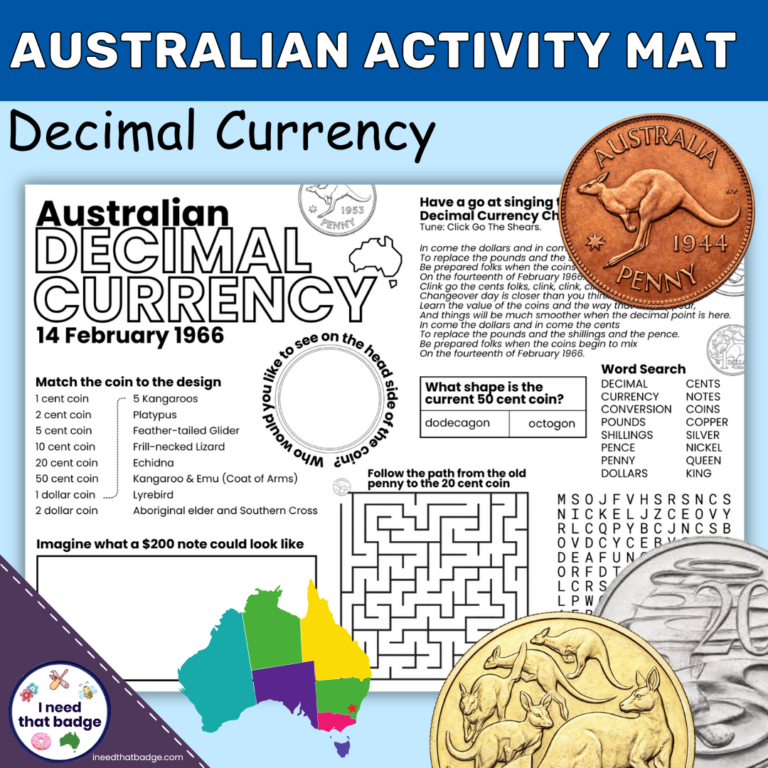
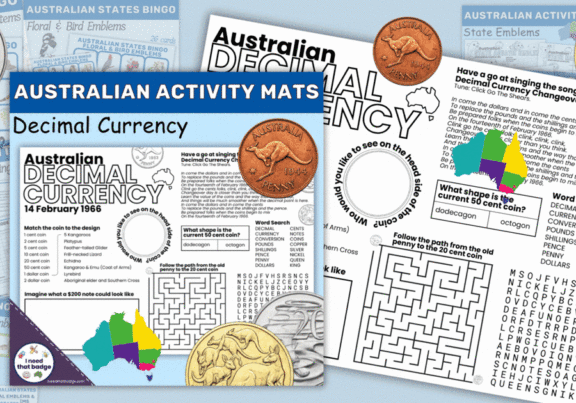
In Australia, the one dollar coin is one of the most recognisable and widely used coins in everyday life. When decimal currency was introduced on 14 February 1966, the dollar was first issued as a paper banknote rather than a coin.
By the early 1980s, however, the Reserve Bank of Australia found that the one dollar note had a very short lifespan in circulation. Because it was used so frequently, most notes lasted less than a year before becoming worn and needing replacement. In contrast, coins can remain in circulation for decades.
To address this, the one dollar coin was introduced in May 1984 as a more durable and cost-effective alternative. The change reduced printing and replacement costs, improved longevity, and better supported the growing use of vending machines and automated payment systems.
Design and features
The standard one dollar coin features five kangaroos, a design by Stuart Devlin that has become iconic. One interesting feature of the coin is its distinctive edge, which has an interrupted milling pattern — alternating smooth and ridged sections around the outside. This textured edge helps people identify the coin by touch and makes it harder to confuse with other denominations.
A coin used to mark special occasions
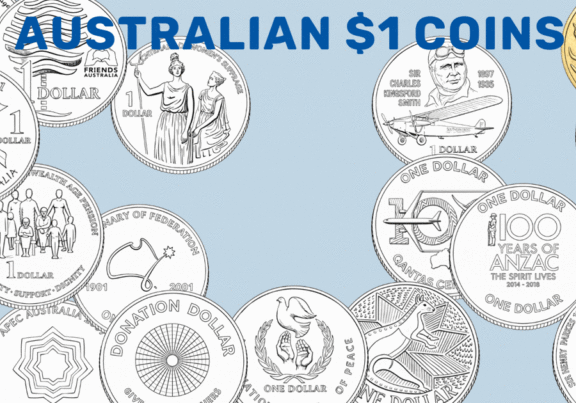
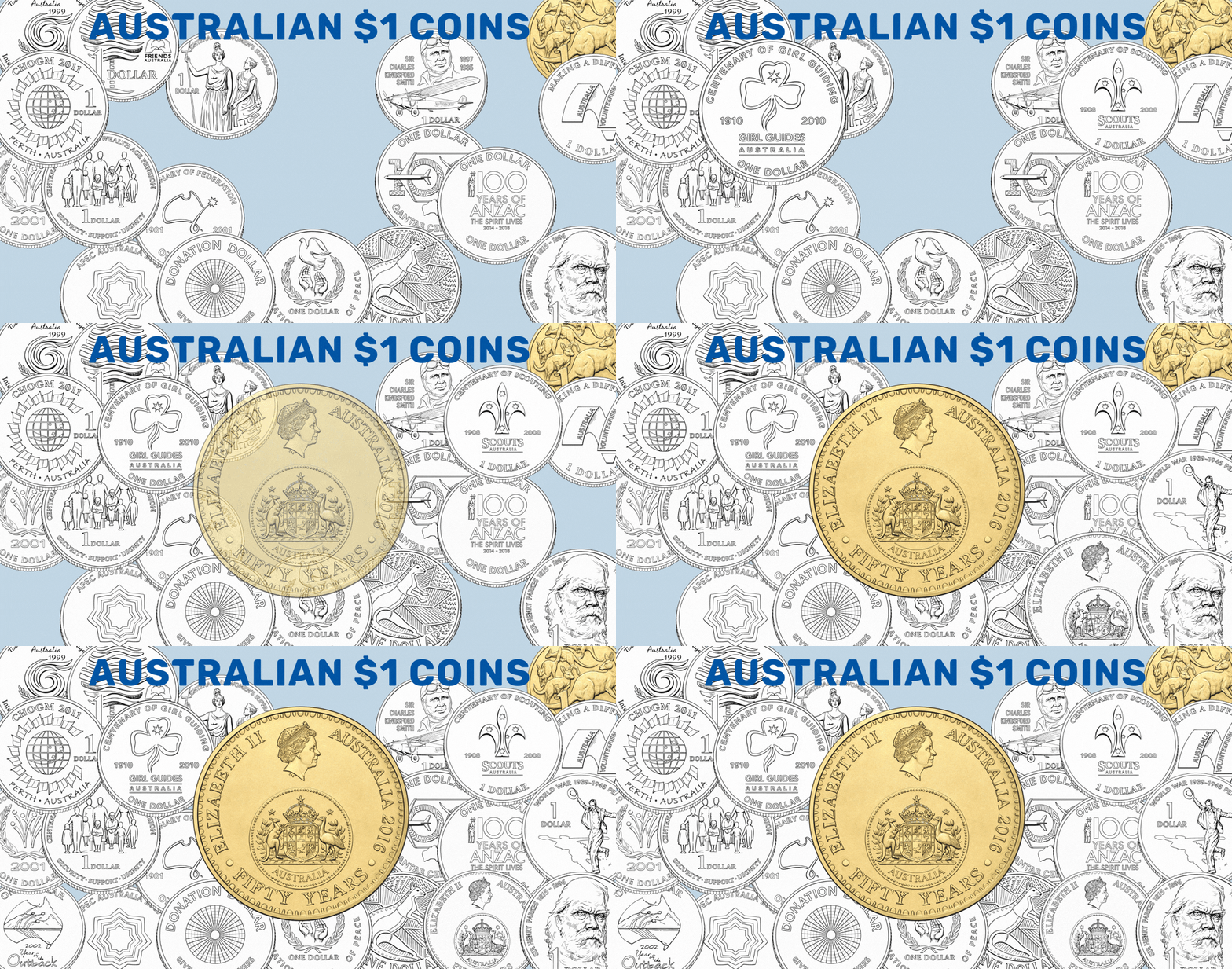
Beyond everyday use, the one dollar coin has become a popular way to celebrate important national milestones, anniversaries, and community organisations. The Royal Australian Mint regularly releases commemorative one dollar coins that still circulate as legal tender.
Over the years, themes have included:
- Major national anniversaries and historical events
- Community organisations and volunteer movements
- Sporting achievements and cultural celebrations
Notably, the aone dollar coin has been used to celebrate:
- 1986 – International Year of Peace – A design celebrating global peace initiatives.
- 1988 – Australian Bicentennial – Marking 200 years since the arrival of the First Fleet.
- 1993 – Landcare Australia – Celebrating national environmental care and community action.
- 1996 – Sir Henry Parkes Centenary – Honouring Henry Parkes, key advocate for Australian federation.
- 1997 – Sir Charles Kingsford Smith Birth Centenary – Commemorating the pioneering aviator.
- 1999 – International Year of Older Persons – Highlighting the contribution of older Australians.
- 2001 – Centenary of Federation – Celebrating 100 years since Australia became a federated nation.
- 2002 – Year of the Outback – Honouring Australia’s rural and remote communities.
- 2003 – Australia’s Volunteers – Celebrating volunteerism across the nation.
- 2003 – Centenary of Women’s Suffrage – Recognising 100 years since women first gained the vote.
- 2005 – 60th Anniversary of the End of World War II – Commemorating peace and remembrance.
- 2007 – APEC Australia 2007 – Marking Australia’s hosting of the Asia-Pacific Economic Cooperation forum.
- 2008 – Centenary of Scouting in Australia – Celebrating 100 years of Scouting in Australia.
- 2009 – 100th Year of the Age Pension – Recognising a century of the Australian age pension.
- 2010 – Centenary of Girl Guiding in Australia – Celebrating 100 years of Guiding.
- 2011 – Commonwealth Heads of Government Meeting – Marking Australia hosting the CHOGM
- 2014-2018 – A series of ANZAC designs over multiple years to mark 100 years since the First World War:
- 2016 – 50th Anniversary of Decimal Currency – A special issue marking half a century since Decimal Day.
- 2019 – 35 Years of the Australian $1 Coin (“Dollar Discovery”) – Celebrating three and a half decades since the $1 coin was first issued.
- 2020 – 100 Years of Qantas
- 2021 CHOGM – Commonwealth Heads of Government Meeting
- 2021 Centenary of Commonwealth Bank
- 2022 ANZAC Centenary – continued series
- 2023 International Year of Peace
- 2024 Community/volunteer commemorations
These commemorative coins highlight the important role these organisations have played in Australian communities, youth development, and volunteer service.
Circulating and collectable
Some commemorative one dollar coins are released into general circulation, meaning people may receive them as normal change. Others are produced in limited numbers for collectors. This mix of everyday use and special editions makes the one dollar coin both practical and educational. Designed not just for spending, but also for remembering and celebrating Australia’s history.