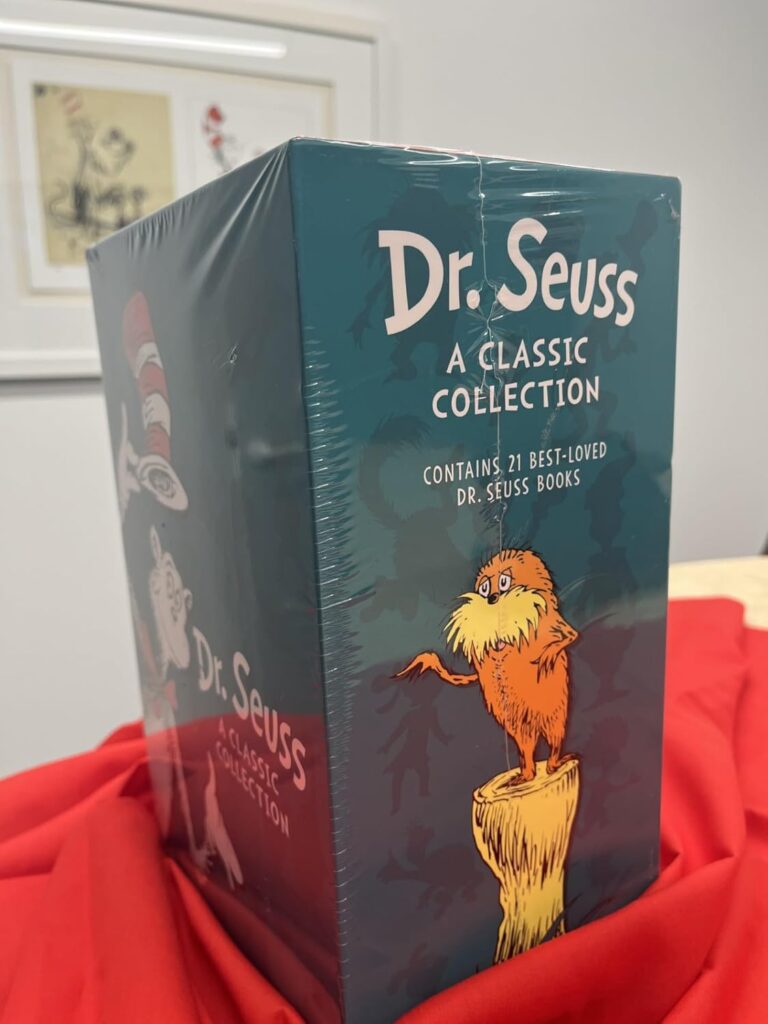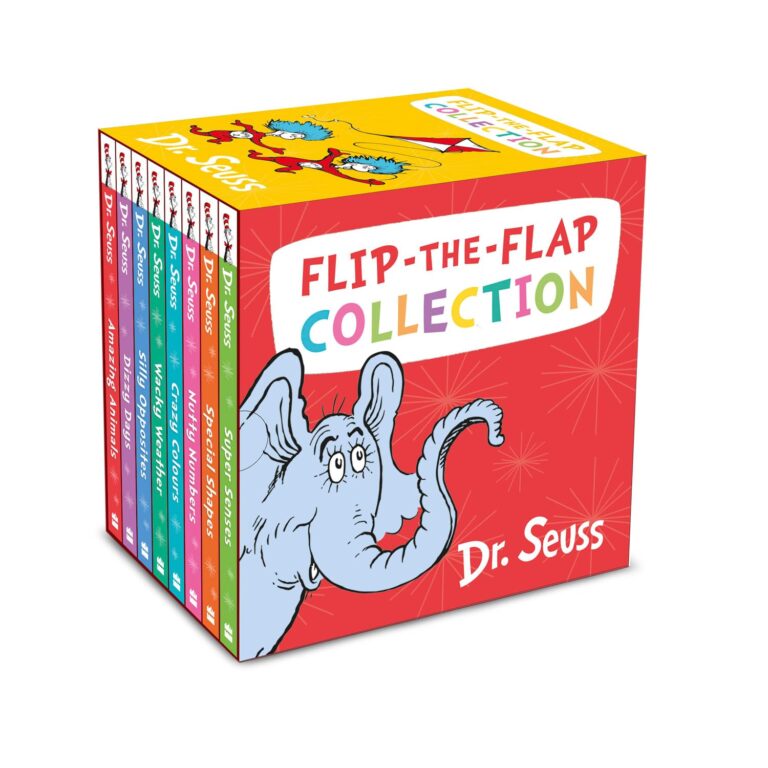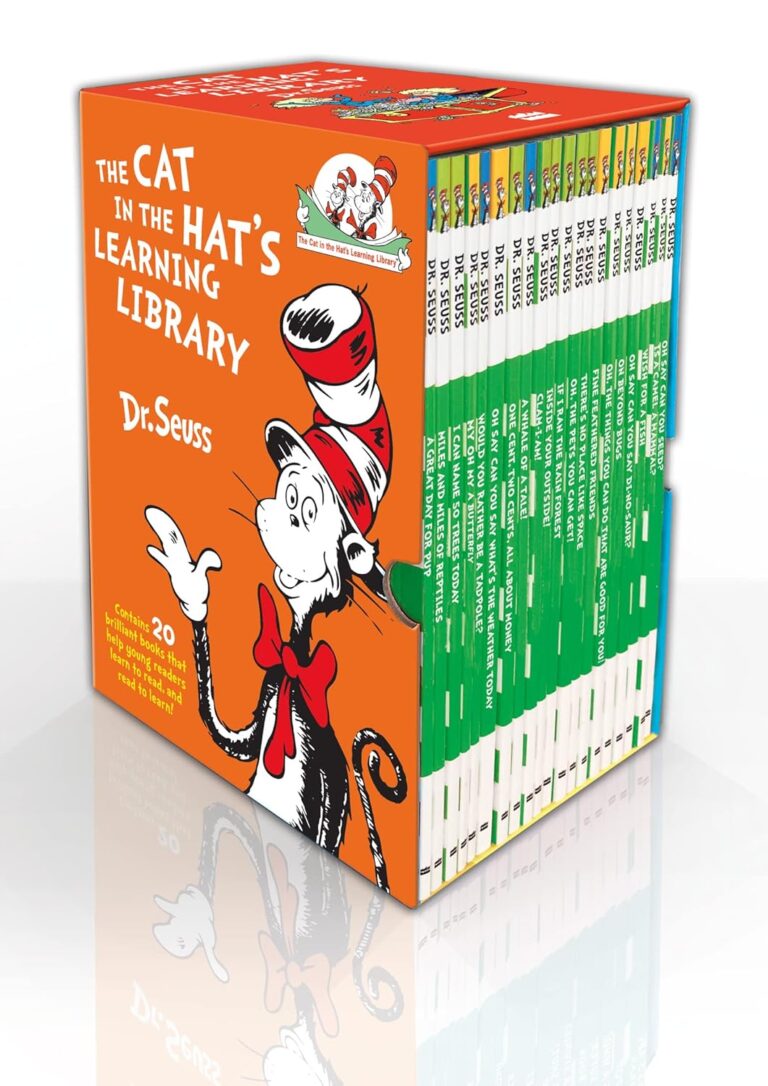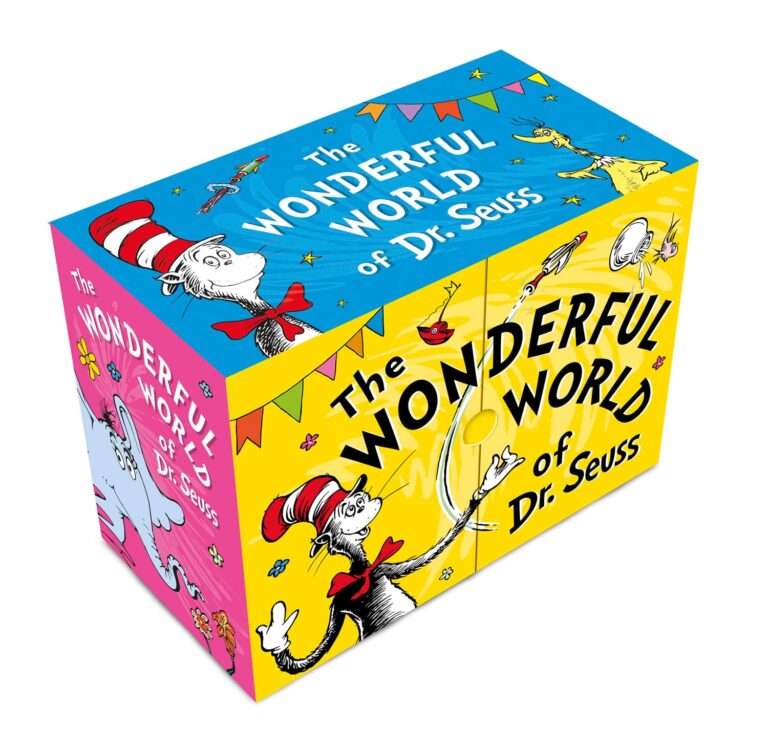
Happy Birthday Dr Seuss
March 2nd marks the birthday of Dr Seuss — one of the most recognisable children’s authors of the twentieth century. Born as Theodor Seuss Geisel on 2 March 1904 in Springfield, Massachusetts, he went on to create stories that have been read by generations of readers around the world.
Most people know him simply as “Dr Seuss”. During his senior year at Dartmouth, Theodor Geisel was editor-in-chief of the college humour magazine, The Dartmouth Jack-O-Lantern. Despite it being the height of Prohibition, Geisel and nine friends were caught in his dorm room sharing a pint of gin on the night before Easter. As punishment, Geisel was banned from all extracurricular activities, including contributing to the magazine. Determined to continue writing and illustrating, he began submitting work under various fake names. He eventually settled on “Seuss” — his middle name and his mother’s maiden name.
After graduating from Dartmouth in 1925, Geisel travelled to England to study at Lincoln College, Oxford, intending to earn a ‘Doctor of Philosophy’ in English literature and become an English professor – “Dr Geisel”. However, he spent more time doodling animals in his notebooks than focusing on his studies, and with encouragement from his girlfriend (and future wife), left Oxford within his first year without completing his degree. Despite not earning the doctorate, he used the title of “Dr” professionally, finding it amusing that it gave him an air of authority. It has also been suggested that it may have been a cheeky nod to his father’s wish that he would one day earn a PhD in medicine. Over time, the name stuck — and eventually became iconic.
Ironically, although he never completed his doctoral studies, he later received multiple honorary doctorates in recognition of his contribution to literature.
After leaving Oxford, in began a career as an illustrator and cartoonist, working on advertising campaigns and political cartoon, and then as Commander of the Animation Department of the United States army during WW II.
Dr Seuss’s birthday has become closely associated with reading celebrations, particularly in schools. In the United States, the date has often been observed as part of reading initiatives designed to encourage children to develop a love of books. His whimsical style and accessible language make his stories especially suitable for early readers.
A Unique Writing Style
Dr Seuss was an author, illustrator, animator and cartoonist whose imaginative stories captivated generations of readers. At the time of his death in 1991, his books had been translated into more than 20 languages. Since then, his work has continued to reach new audiences through television adaptations, feature films and even a Broadway musical.
Dr Seuss is famous for his playful rhymes, invented words, and imaginative creatures. His books often use simple vocabulary combined with strong rhythm and repetition, making them ideal for reading aloud.
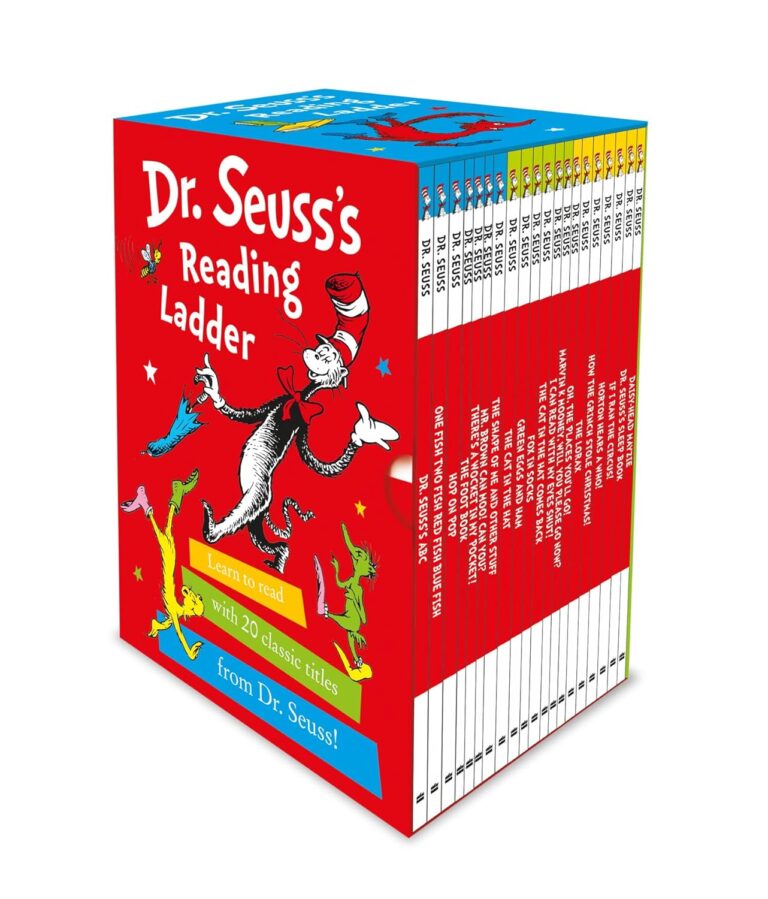
Some of his most well-known titles include:
- The Cat in the Hat
- Green Eggs and Ham
- How the Grinch Stole Christmas!
- Oh, the Places You’ll Go!
- Horton Hears a Who!
Behind the colourful illustrations and humorous storytelling, many of his books carry themes encouraging kindness, environmental awareness, perseverance, and respect for others.
Encouraging Literacy Through Fun
In 1954, a report on literacy among American school children suggested that many early reading books were dull and unengaging, making it difficult for children to develop an interest in reading. William Spaulding, director of the education division at Houghton Mifflin, challenged Theodor Geisel to write a book that would be both entertaining and easy for children to read. Spaulding provided him with a list of about 348 words considered appropriate for first-grade readers, drawn from vocabulary lists used in early reading instruction. Geisel accepted the challenge and reduced the list to a smaller working set of words. The result was The Cat in the Hat, published in 1957, which used just 236 distinct words. The book became an immediate success and helped transform the field of early reading by showing that beginner books could be both simple and exciting. At a time when early readers had been limited to dry or repetitive texts, he introduced lively characters and engaging storylines while still using controlled vocabulary.
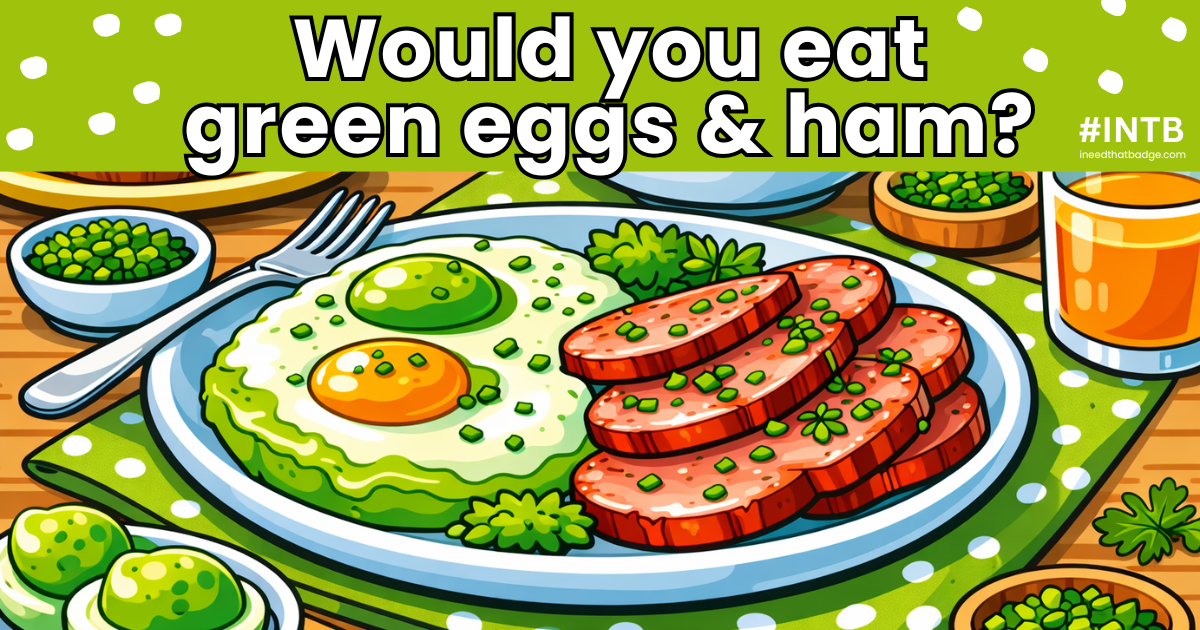
The success of The Cat in the Hat led to further experiments with controlled vocabulary. In 1960, Dr Seuss wrote ‘Green Eggs and Ham’ after a friendly challenge from his publisher, Bennett Cerf of Random House, who bet him that he could not write an entertaining children’s book using only fifty different words. Geisel accepted the challenge and produced one of his most famous works. Despite its extremely limited vocabulary, Green Eggs and Ham tells a lively and engaging story and went on to become one of the best-selling children’s books ever published.
A Lasting Legacy
Dr Seuss published more than 60 books during his lifetime, selling over 600 million copies. Some were written as “Dr. Seuss” and others under the pen name “Theo LeSieg” or “Rosetta Stone”. His works have been translated into numerous languages and adapted into films, stage productions, and television specials.
His influence extends beyond entertainment. His stories continue to be used in classrooms to:
- Teach phonics and rhyme
- Explore moral themes
- Encourage creative writing
- Build confidence in reluctant readers
More than a century after his birth, his books remain fixtures in homes and libraries worldwide.
Some of Dr Seuss’s earlier works have been reassessed in recent years. Critics have pointed out that certain illustrations and themes may reflect racial stereotypes common in the period in which they were created. In response to these concerns, the non-profit Dr Seuss Enterprises (the organisation that manages the author’s literary estate and intellectual property) announced on 2 March 2021 that it would cease publishing and licensing six titles:
And to Think That I Saw It on Mulberry Street (1937)
- If I Ran the Zoo (1950)
- McElligot’s Pool (1947)
- On Beyond Zebra! (1955)
- Scrambled Eggs Super! (1953)
- The Cat’s Quizzer (1976)
According to the organisation, the decision was made because the books contained depictions that are now considered inappropriate or harmful, and they are no longer part of the active catalogue.
Why His Stories Still Matter
In a world filled with screens and fast-paced content, Dr Seuss’s books remind us of the power of imagination and the joy of shared reading. His playful language invites children to experiment with words, while his stories often encourage empathy and open-mindedness.
Celebrating his birthday is not just about remembering an author — it is about recognising the importance of creativity, literacy, and storytelling in shaping young minds.
The best way to honour Dr Seuss might be as simple as picking up one of his books, reading it aloud, and enjoying the rhythm, rhyme, and nonsense that has inspired readers for generations.
References and Further Reading
- Wikipedia contributors. (n.d.). Dr. Seuss. Wikipedia. Retrieved 2 March 2026
- BBC News. (2024). Without Oxford University, we don’t get Dr. Seuss.