The term Karen has become a well-known part of internet culture over the past few years. It’s used in memes, jokes, and social media discussions. But what does it actually mean, and where did it come from? And it is fair on the Karens of the world?
What Does Karen Actually Mean?
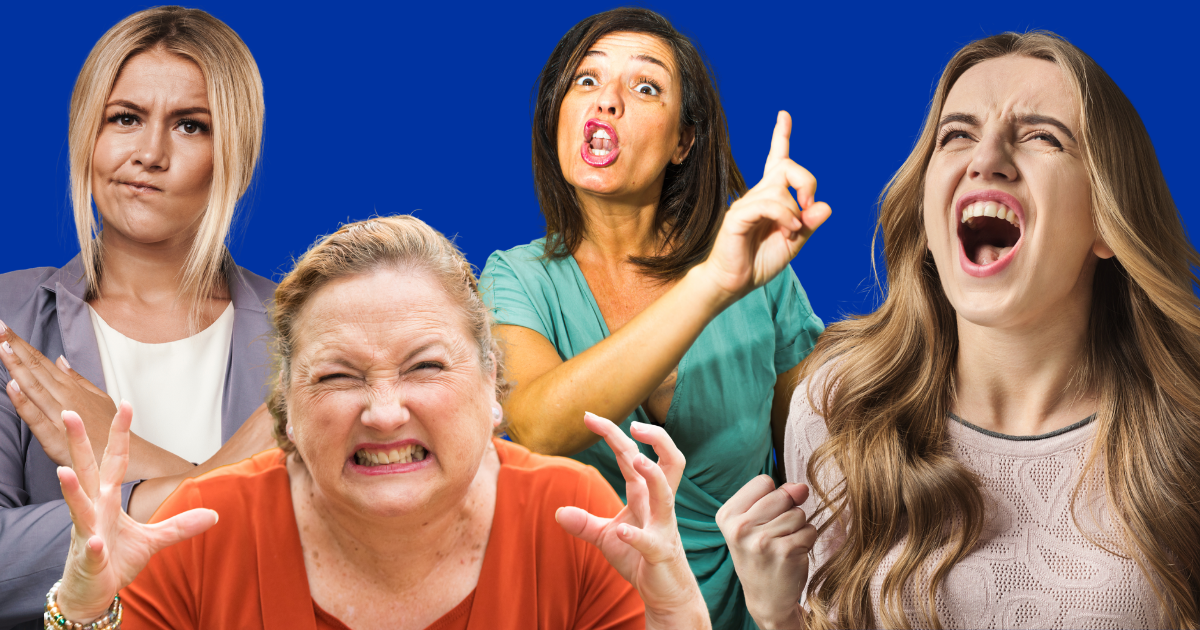
In pop culture, a “Karen” refers to a stereotype of a person, often a middle-aged woman, who is seen as:
- overly demanding
- entitled or self-important
- insistent on getting their way
- quick to complain or escalate a situation
- prone to saying “I want to speak to the manager”
It’s used to describe behaviour, not an actual individual, and it isn’t intended as a serious label for everyone who happens to be named Karen. Many people named Karen have embraced the joke with humour, but it is understandably less funny, and probably insulting, to others with the name.
Where Did the Term “Karen” Come From?
The exact origin is debated, but several cultural moments contributed to the rise of the term.
1. Early Internet and Pop Culture
The name “Karen” was used occasionally in film and stand-up comedy to represent a certain type of character — someone demanding or overbearing. These early portrayals planted the seeds of the stereotype.
2. The Internet Meme Era
The term took off in the mid-2010s on platforms like Reddit and Twitter. Memes began circulating that highlighted unreasonable or entitled behaviour, and the name “Karen” was used as a shorthand character.
This is also when the stereotype became associated with a particular haircut — the layered, angled bob often described as “The Manager Haircut.”
3. Viral Incidents and Social Media
From around 2018 onwards, videos of real-life confrontations involving someone escalating a minor issue, were widely shared online. These videos strengthened the idea of a “Karen” as someone who reacts aggressively, complains unnecessarily, or polices other people’s behaviour.
Why the Word Became So Popular
The term caught on because it gave people a quick and humorous way to describe a specific type of behaviour. Instead of explaining the entire situation, saying “It was a total Karen moment” communicates the idea instantly.
It also became part of a wider cultural conversation about:
- customer entitlement
- social etiquette
- public behaviour
- power dynamics (for example, when someone uses their social position to control others)
Is It Fair to Use the Term?
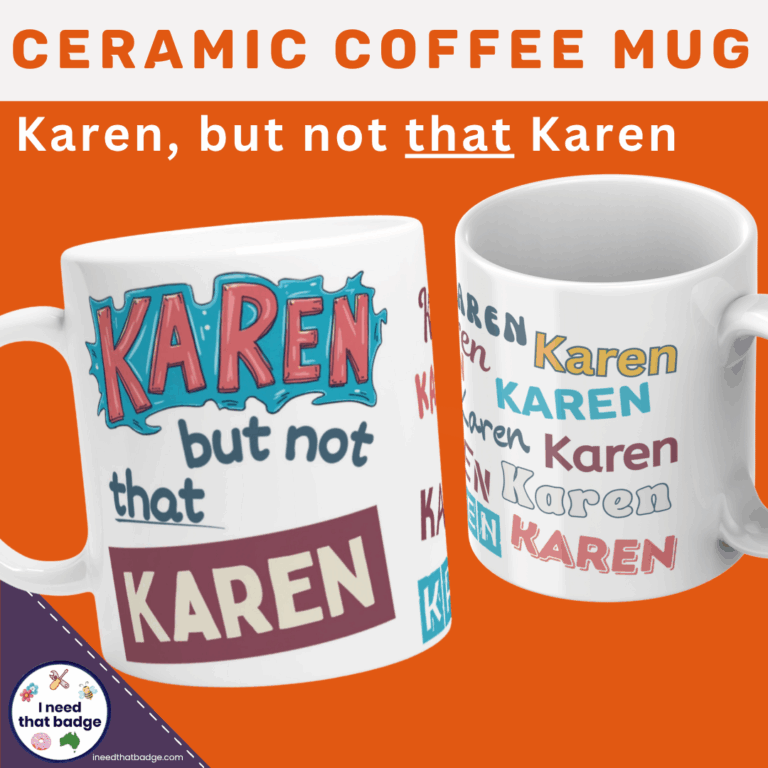
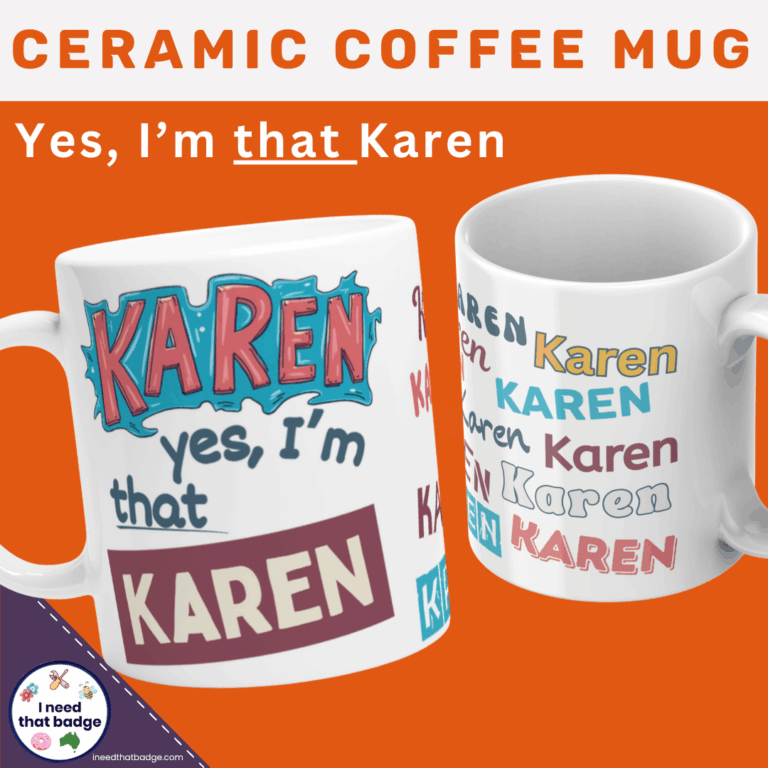
Many people now use the term playfully or affectionately, especially when reclaiming it through novelty items like mugs, shirts, and gifts. The humour comes from exaggerating a familiar situation, not from targeting real individuals.
It’s important to remember:
- The stereotype describes behaviour, not a person’s worth.
- Not everyone named Karen fits — or likes — the joke.
- The best humour is light-hearted, not mean-spirited.
Why the “Karen” Trend Continues
The term has become part of everyday language because it captures a relatable human moment — the times when someone acts unreasonably, demands special treatment, or forgets to be kind.
As long as it’s used with humour and not hostility, the meme continues to be a tongue-in-cheek way of highlighting recognisable social behaviour.
Male Karens too
While the term Karen is most often associated with women, there is an equivalent stereotype for men as well. These individuals display the same behaviours — entitlement, over-the-top complaints, or demands for special treatment — but are sometimes jokingly referred to as “Ken,” “Kevin,” or simply “a male Karen.” The key idea is the behaviour, not the name or gender. Male Karens tend to appear in stories or videos where someone escalates a minor issue, challenges staff unnecessarily, or becomes confrontational over rules and procedures. Like the main “Karen” meme, these examples are usually shared with humour rather than hostility, highlighting social behaviour we can all recognise.
Decline in Karen Population
Statistics suggest that over the past several decades, there has been a significant decline in the number of babies being named Karen. Once one of the most popular names in the English-speaking world, Karen reached peak popularity in the mid-20th century. In the United States, for example, it consistently ranked among the top names for girls during the 1950s and 1960s, even reaching the #3 spot in 1965. Since then, usage has dropped steadily. By 2020, only a few hundred newborn girls were given the name — a dramatic decrease compared to its peak.
This downward trend actually began long before the name took on negative cultural connotations. Like many names that experience a surge in popularity, Karen naturally fell out of fashion as naming trends shifted. Parents increasingly gravitated toward newer, less common choices, leaving mid-century favourites like Karen behind.
However, the more recent cultural shift has accelerated the decline. Since around 2017, “Karen” has become a widely recognised stereotype in memes and social media, associated with entitled or unreasonable behaviour. This added stigma has further discouraged new parents from choosing the name, reinforcing a trend that was already well underway.
Today, Karen rarely appears in baby-name rankings and has mostly disappeared from lists of popular choices. Its decline reflects not only changing naming fashions but also the powerful influence of cultural narratives on how names are perceived and chosen.